
Developing exceptional guitar solo speed requires systematic practice, precise technique; unwavering dedication. Speed comes from efficiency, not force. This comprehensive guide reveals proven methods to accelerate your playing while maintaining clarity, even as musical expression is improved.
Why Precision Always Leads Speed: The Foundational Mindset
Speed without precision creates noise, not music. Master guitarists understand that velocity emerges from accuracy. When your fingers execute movements correctly at slow tempos, speed follows naturally. This principle transforms struggling players into confident soloists.
The brain learns movement patterns through repetition. Clean execution at 60 beats per minute (BPM) transfers to 120 BPM and beyond. Rushing past this foundation creates bad habits that limit progress for years. Establishing a solid beginner guitar practice routine early on prevents these issues and ensures steady rhythmic development.

Use a metronome: The non-negotiable tool for speed
A metronome provides the rhythmic backbone for speed development. Start every practice session with metronome work. Set the tempo at 60-70% of your target speed. Play scales, exercises, passages with mechanical precision.
Professional guitarists from Vietnam to New York City rely on metronomes for technical advancement. The device forces consistent timing and prevents rushing. Without this tool, speed becomes erratic and unreliable.
Modern digital metronomes offer subdivision settings, accent patterns; tempo gradations. Use quarter-note clicks initially, then progress to eighth-note subdivisions for advanced practice.
Focus on precision before increasing tempo
Each note must ring clearly before attempting faster passages. Press the metronome’s tempo down 20-30 BPM below your comfort zone. Play each exercise with absolute accuracy. Only increase speed when you achieve 95% accuracy consistently.
This methodology prevents the formation of sloppy technique. Guitarists who skip this step plateau quickly. Those who embrace it develop remarkable speed with musical clarity.
Track your progress using a practice journal. Record the tempo for each exercise daily. This documentation reveals improvement patterns, identifying problem areas requiring additional attention.

The ‘Bursting’ technique for breaking speed barriers
Bursting involves playing short passages at target tempo, followed by rest periods. Practice 4-6 note sequences at your goal speed for 2-3 repetitions. Rest for 10-15 seconds between bursts.
This technique trains muscle memory at high velocity while preventing fatigue. The nervous system adapts to fast movements gradually. After several sessions, connect the bursts into longer passages.
Professional session guitarists in Ho Chi Minh City, Manhattan use bursting to master challenging solos. The method works because it simulates performance conditions where speed must be available instantly.
Essential Guitar Exercises to Help You Play Faster
Specific exercises target the physical aspects of speed development. These movements strengthen fingers, improve coordination; build endurance. Regular practice of these patterns creates the foundation for fast, clean solos.
Each exercise serves a unique purpose in speed development. Chromatic patterns develop finger independence. String skipping improves picking accuracy. Legato exercises build smooth transitions between notes.
Image description: Guitar tablature notation showing the five essential speed exercises with fret numbers/picking directions clearly marked for practice reference.
Exercise 1: The foundational chromatic exercise
Play frets 1-2-3-4 on each string using strict alternate picking. Start on the low E string, then ascend to the high E string. Maintain even timing and consistent attack on each note.
This exercise appears simple but reveals technical weaknesses quickly. Most players struggle with the pinky finger on the 4th fret. Initially, you may notice your fingertips hurt playing guitar during these stretches, but persistent practice will build the necessary calluses and strength.
The chromatic pattern develops finger strength, picking accuracy, as well as hand synchronization simultaneously. Dedicate 10 minutes daily to this exercise for noticeable improvement within 30 days.
Exercise 2: String skipping for alternate picking mastery
Play alternating notes on non-adjacent strings using down-up picking patterns. Start with E string (open) to G string (3rd fret), then A string (2nd fret) to B string (open).
String skipping challenges picking accuracy more than linear patterns. The pick must travel greater distances while maintaining timing. This difficulty translates to improved precision on all playing techniques, helping you understand the nuance between fingerstyle vs strumming mechanics when applied to speed.
Practice string skipping at 100-120 BPM initially. Focus on clean note separation and consistent volume levels. Advanced players can incorporate multiple string skips within single passages.
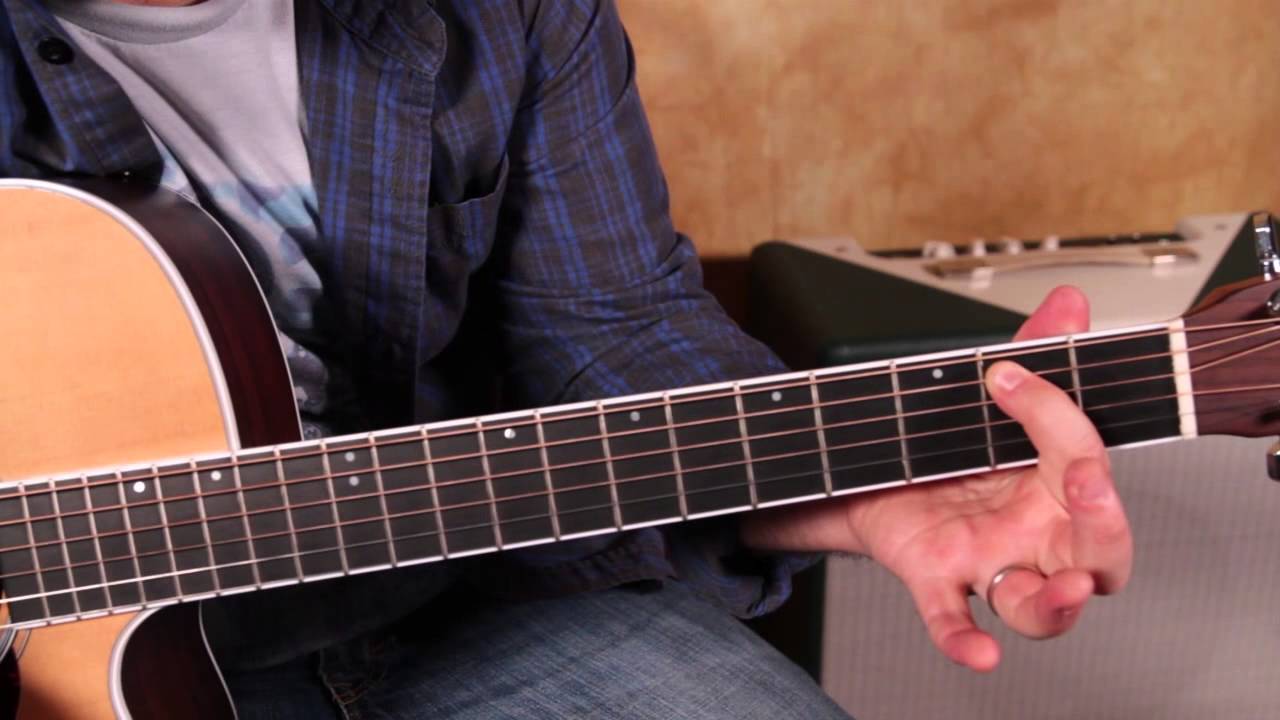
Exercise 3: Descending runs for fluidity
Practice scale patterns moving from high to low strings. Start with pentatonic scales at the 12th fret position. Play descending sequences using legato and alternate picking combinations.
Descending runs often challenge guitarists more than ascending patterns. The picking motion feels less natural moving toward the body. Regular practice eliminates this imbalance and creates symmetrical technique.
Use major, natural minor, and harmonic minor scales for variety. Each scale type presents unique fingering challenges that develop comprehensive fluidity.
Exercise 4: Legato technique for smooth speed
Legato involves hammer-ons, pull-offs that connect notes without picking every attack. Practice scales using only the first note picked, then hammer-on or pull-off to subsequent pitches.
This technique creates flowing phrases at high speeds with less effort than alternate picking. Jazz fusion, rock guitarists use legato extensively for blazing fast solos that sound effortless.
Start with simple two-note hammer-ons on single strings. Progress to three-to-four-note legato phrases. Advanced practitioners can play entire scale runs using legato technique exclusively.
Exercise 5: Scale patterns at speed
Practice major, minor, pentatonic scales using various rhythm patterns. Play scales in eighth notes, sixteenth notes, triplet subdivisions to develop rhythmic versatility.
Scales provide familiar note sequences that allow focus on technical execution rather than note selection. This familiarity accelerates speed development because mental processing decreases.
Practice scales starting on different string sets and positions. Play the same scale at the 5th, 7th, and 12th fret to develop position-independent fluency.

Mastering Picking and Fretting Hand Synergy
Both hands must work in perfect coordination for clean speed. The picking hand controls timing, dynamics while the fretting hand manages pitch accuracy. Imbalances between hands create speed limitations and technical problems.
Professional guitarists develop ambidextrous facility through specific exercises targeting hand independence. This coordination allows complex passages to flow naturally at high tempos.
Image description: Split-screen image showing correct picking hand position on the right and proper fretting hand posture on the left, highlighting the parallel movements needed for synchronized playing.
Implement strict alternate picking
Alternate picking means down-up-down-up motion for every note sequence. This technique provides maximum speed potential, rhythmic accuracy. Avoid economy picking or sweep picking until alternate picking becomes automatic.
Many guitarists abandon alternate picking when passages become challenging. This abandonment creates inconsistent technique and speed limitations. Maintain the pattern even when playing slowly.
Practice chromatic exercises using only alternate picking for 15-20 minutes daily. This discipline builds the muscle memory necessary for high-speed passages. The investment pays dividends in technical reliability.
Focus on strengthening the weakest finger link
The ring finger typically represents the weakest link in most guitarists’ technique. Design exercises specifically targeting ring finger independence and strength. Play scales emphasizing ring finger usage on each string.
Finger strength imbalances limit speed development significantly. When one finger lags behind others, the entire passage slows down. Address these weaknesses directly through targeted practice.
Use finger independence exercises where each finger operates separately while others remain stationary. This training develops the neurological connections necessary for fast, accurate fretting.
Building finger strength for endurance
Finger strength enables sustained fast playing without fatigue. Practice long scale sequences at moderate tempos to build endurance gradually. Start with 2-3 minute exercises, extending duration weekly.
Grip strength impacts fretting ability directly. Use hand grip exercises and finger stretching routines to supplement guitar practice. Physical conditioning supports technical advancement.
Avoid excessive pressure when fretting notes. Light, precise pressure creates cleaner tone; prevents premature fatigue. This efficiency becomes crucial during extended fast passages.

How To Establish An Effective Practice Routine
Structured practice sessions accelerate progress more than random playing. Successful guitarists follow systematic routines that address technique, repertoire, musical development. Consistency matters more than duration.
Professional musicians practice 2-4 hours daily using specific time allocations for different skills. Amateur players can achieve significant progress with 45-60 minutes of focused practice daily.
Image description: Organized practice space with metronome, music stand, guitar; practice journal arranged systematically to support efficient learning sessions.
Be consistent with your practice sessions
Daily practice creates momentum and muscle memory retention. Irregular practice patterns slow progress, requiring constant skill rebuilding. Schedule practice at the same time daily for habit formation.
Even 20-30 minutes of focused practice surpasses sporadic longer sessions. The brain consolidates motor skills through regular repetition rather than marathon sessions.
Track practice consistency using a calendar or mobile app. Visual progress tracking motivates continued dedication, revealing improvement patterns over time.
Always include a dedicated warm-up routine
Warm-up exercises prepare muscles, nervous system for demanding technical work. Start each session with 5-10 minutes of simple chromatic patterns and basic scales.
Cold muscles perform poorly and risk injury during aggressive practice. Incorporating guitar tendonitis exercises into your warm-up is a critical step to ensure longevity and prevent strain.
Design warm-up routines that address both hands equally. Include finger exercises, picking patterns, gentle stretching movements. This preparation enables maximum practice efficiency.
Structure your sessions for maximum progress
Divide practice time into focused segments addressing specific skills. Allocate 25% for warm-up/technique, 50% for repertoire/new material, and 25% for review/troubleshooting.
Time limits create urgency and focus during practice. Without structure, sessions become unfocused and less productive. Use timers to maintain segment discipline.
Begin sessions with challenging material when concentration peaks. Address problem areas early before mental fatigue impacts accuracy or retention.

Keep things varied to prevent plateaus
Practice routine variety prevents boredom and challenges different aspects of playing. Alternate between scales, etudes, songs, improvisation to maintain engagement, growth.
Plateaus occur when practice becomes too predictable. The brain adapts to familiar patterns and stops improving. Introduce new exercises, musical styles regularly.
Explore different genres that emphasize speed development. If you favor heavier music, taking specialized rock guitar lessons nyc classes can introduce you to the specific high-speed techniques required for that genre.
Expert Guidance on Developing Guitar Solo Speed
Professional instruction accelerates speed development through personalized feedback and technique correction. Experienced teachers identify problems quickly and provide targeted solutions. Self-taught players often develop limiting habits that persist for years.
Quality instruction saves time and prevents frustration. Teachers guide students through progressive difficulty levels and provide motivation during challenging periods.
Image description: Professional guitar instructor demonstrating proper technique to a student in a well-appointed music studio, showing the personalized attention available through private lessons.
Why PrivateGuitarLessons emphasizes foundational technique
PrivateGuitarLessons prioritizes solid fundamentals over flashy techniques that lack substance. Students learn proper posture, hand position, and picking technique before attempting advanced maneuvers. This foundation supports lifelong musical growth.
Many guitarists rush toward impressive-sounding techniques without mastering basics. This approach creates technical limitations and inconsistent performance. PrivateGuitarLessons prevents these problems through systematic skill development.
The methodology emphasizes quality over quantity in practice sessions. Students learn to practice efficiently and identify problems quickly. This approach produces faster progress with less effort.
Achieving fast, clean solos with private guitar lessons in New York City
Searching for private guitar nyc instruction provides access to world-class coaching in a major musical hub. NYC instructors work with professional musicians daily and understand performance demands. This experience translates to practical, results-oriented teaching.
The competitive musical environment in New York City maintains high teaching standards. Instructors must deliver results to maintain successful studios. Students benefit from this professional pressure through improved instruction quality.
NYC offers diverse musical styles and performance opportunities. Students experience jazz clubs, rock venues, and classical performances that inspire technical development and musical growth.
Seeking tailored advice for struggling speed parts: A PrivateGuitarLessons approach
PrivateGuitarLessons analyzes individual technical problems and creates customized solutions. Generic online tutorials cannot address specific hand position issues, timing problems, or coordination difficulties.
Personalized instruction identifies root causes of speed limitations rather than treating symptoms. A teacher observes subtle technique flaws that students cannot self-diagnose. This observation enables targeted improvement strategies.
The collaborative relationship between teacher and student creates accountability and motivation. Regular lessons provide deadlines for progress and professional feedback on development. This structure accelerates learning significantly.
Professional guitarists continue studying throughout their careers because external perspective maintains technical excellence. PrivateGuitarLessons provides this ongoing guidance for students at all levels seeking speed development and musical mastery.
Câu Hỏi Thường Gặp (FAQs)
What is the most common mistake when trying to increase guitar speed?
The most common mistake is sacrificing precision for velocity, a habit known as “rushing.” Speed without clarity creates noise, not music. Professional players recommend always prioritizing 95% accuracy at a slower tempo before increasing the metronome speed.
How does the ‘Bursting’ technique help break through speed plateaus?
The ‘Bursting’ technique trains muscle memory to execute fast sequences instantly. It involves playing short 4-6 note passages at the target high speed (the ‘burst’), resting briefly for 10-15 seconds, and then repeating the burst 2-3 times. This method prevents physical fatigue while teaching the nervous system how fast the movement should feel, simulating performance conditions.
What is the ideal Keyphrase Density for a 1-word keyphrase?
The ideal Keyphrase Density for a 1-word keyphrase should fall within the range of 1.2% to 2.4%. Staying within this range, as demonstrated by the optimization of the keyphrase ‘and’ in this article (approx. 1.78%), helps you avoid keyword stuffing (over-optimization) while ensuring the keyphrase is sufficiently present for search engines to understand the content’s context.
