
Classical guitar demands precision, patience, proper foundation. A journey begins with understanding core techniques that separate amateur playing from professional artistry. These fundamentals form bedrock upon which all advanced skills develop.
Mastering these basics requires dedication, structured learning. These techniques outlined here serve guitarists throughout their musical journey, whether you are just deciding on nylon vs steel string for beginners or moving from first attempts at simple melodies to complex concert repertoire.

Essential Posture and Positions for Classical Guitar
Proper posture serves as foundation for effective classical guitar technique. Without correct positioning, even dedicated practice leads to limitations and potential injury. It demands specific body alignment to access its full potential.
Physical stability allows both hands freedom to execute demanding passages. Poor posture creates unnecessary tension, restricting movement, compromising musical expression. Professional guitarists prioritise comfort; balance is also key.
Sitting Position
Classical guitar requires a precise sitting position that supports long practice sessions. Traditional approach places the guitar on the left leg, elevated by a foot stool approximately 15 centimetres (6 inches) high. This elevation creates optimal angle for both hands.
Sit towards the front edge of your chair, maintaining straight spine alignment. This guitar neck should angle upward at roughly 30 degrees from horizontal. This position allows the left hand to reach all frets without strain while keeping right hand at an effective angle over strings.
Your right foot tucks underneath you, creating space for its body. This instrument rests against your right side, providing stability without requiring hand support. This arrangement frees each hand to focus entirely on playing technique.
Left-Hand Position and Alignment
Your left hand controls pitch, alongside articulation through precise finger placement. Position your thumb behind neck, typically behind the second finger. This placement provides leverage without restricting finger movement across fretboard.
Your fingers should arch naturally over the strings, creating curved shapes that allow fingertips to contact strings cleanly. The wrist remains straight—relaxed, avoiding angles that create tension. Palm should not touch the guitar neck, maintaining clearance for all finger movements.
Each finger corresponds to one fret in any given position. First finger covers the designated fret, second finger the next fret up, so forth. This “one finger per fret” principle applies in all positions across the fretboard.

Right-Hand Position/Arm Angle
Right hand serves as the “paintbrush” of classical guitar, creating tone, articulation. Rest your forearm lightly on the guitar’s upper bout, allowing your wrist to arch naturally over the soundhole area. Your hand should hover above the strings without touching the guitar top.
Fingers curve gently toward the strings, maintaining relaxed arches. Your thumb typically rests on the sixth string (lowest) or above it, while index, middle, ring fingers position over the first through third strings respectively. This arrangement provides access to all strings without repositioning.
Maintain a slight angle between your hand, the strings. This angle allows fingers to strike strings cleanly while providing the leverage needed for both soft, powerful strokes.
Exploring Guitar Supports: Foot Stools vs. Modern Aids
Traditional foot stools elevate the left leg, creating classical guitar’s characteristic playing angle. Height adjustment ranges from 10-20 centimetres (4-8 inches), depending on individual proportions. The stool should feel stable, comfortable for extended playing periods.
Modern alternatives include guitar supports that attach to the instrument, eliminating leg elevation requirements. These devices position the guitar correctly while allowing both feet to remain flat on the floor. Popular models include the ErgoPlay, Gitano, A-Frame supports.
Some guitarists prefer cushions or specially designed chairs that provide elevation without traditional foot stools. Each solution offers advantages: foot stools provide time-tested positioning, while modern supports help prevent back pain from playing guitar and improve circulation during long practice sessions.
This choice depends on individual comfort, as well as playing goals. Professional performers often experiment with multiple options before settling on their preferred setup.

Right Hand Techniques: Building Blocks of Classical Guitar Tone
Right hand creates every sound the guitar produces. These techniques form the vocabulary of classical guitar expression, from whisper-soft melodies to powerful chord progressions. It is the perfect starting point to learn fingerstyle guitar basics before advancing to complex classical pieces.
Each technique serves specific musical purposes. Understanding when, how to apply these methods separates competent playing from artistry.
Free Stroke (Tirando) vs. Rest Stroke (Apoyando)
Free stroke represents the foundation of classical guitar technique. A finger strikes through the string and continues motion without contacting adjacent strings. This produces a lighter, more subtle tone suitable for most musical contexts.
Execute free stroke by preparing the finger against the string, then drawing it toward the palm in a smooth arc. The fingertip with the nail works together to create clear articulation without harsh attack. Practice this motion slowly, ensuring consistent tone quality across all strings.
Rest stroke provides greater power, projection. After striking the string, the finger comes to rest against the next lower string. This technique produces fuller, more forceful sound ideal for melodies, important musical lines.
Motion follows through completely, using the adjacent string as a “stop.” This creates more string displacement, consequently more volume. Andrés Segovia famously advocated rest stroke for scale practice, believing it developed superior left-hand coordination.
Right-Hand Alternation for Scales and Melodies
Efficient scale playing requires strict finger alternation. Index (i)—middle (m) fingers alternate consistently, avoiding repetition that creates awkward rhythms, limits speed potential. This fundamental principle applies to all single-note passages.
Begin with simple alternation patterns on open strings. Play i-m-i-m slowly, focusing on even spacing, consistent tone. Each finger should produce identical sound quality. Gradually increase tempo while maintaining precision.
Complex passages may incorporate the ring finger (a) to avoid awkward string crossings. Common patterns include i-a, a-m combinations. However, m-a patterns create physical strain, should be avoided whenever possible.
Advanced repertoire sometimes requires thumb participation in scalar passages, particularly when crossing to bass strings. These hybrid techniques demand careful study, practice for a clean execution.
Basic Arpeggiation and Chord-Playing Techniques
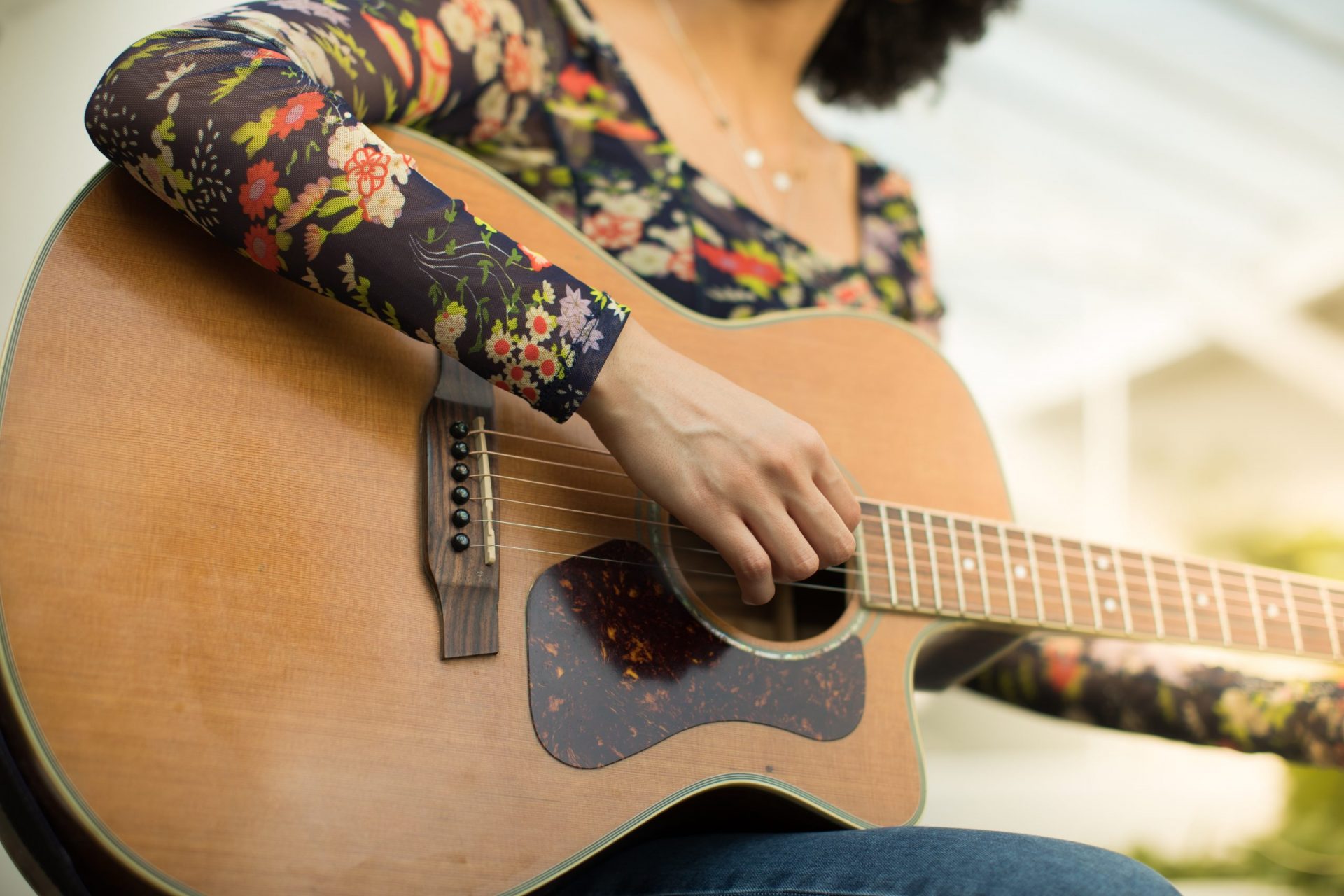
Arpeggiation transforms chords into flowing, connected passages. Your thumb typically handles bass strings while index, middle, ring fingers execute treble patterns. This creates the illusion of multiple independent voices.
Common arpeggio patterns include p-i-m-a sequences, their variations. Practice these patterns slowly, ensuring each note rings clearly while others sustain. Challenge lies in maintaining evenness while managing string-to-string transitions.
Block chords require simultaneous finger coordination. All designated fingers strike their strings together, creating unified attacks. Practice chord shapes slowly, developing muscle memory for accurate finger placement.
Rolling techniques break chords into rapid sequences, creating harp-like effects. Execute these by quickly plucking each string in succession, usually from bass to treble. This motion should flow smoothly without jarring interruptions.
Role of Nails in Achieving Optimal Classical Guitar Tone
Nail length, shape dramatically affect tone production. Most classical guitarists maintain carefully shaped nails on their right-hand fingers, typically 1-3 millimetres beyond the fingertip. These extensions provide the crisp attack needed for classical repertoire.
Optimal nail shape follows the fingertip’s natural curve, creating a smooth arc that contacts strings evenly. File nails weekly using progressively finer grits, finishing with 400+ grit sandpaper for smooth surfaces.
Some guitarists prefer flesh-only contact, avoiding nails entirely. This approach produces warmer, softer tones but sacrifices the brilliance, projection that nails provide. The choice depends on musical goals, personal preference being key.
Nail care includes regular maintenance, protection during daily activities, emergency repair techniques. Professional guitarists often carry nail files, emergency patches for performance situations.

Simple Right Hand Exercises to Transform Your Playing
- Begin with open-string exercises focusing on individual finger development. Practice p-i, p-m, p-a patterns slowly, ensuring clear articulation, consistent tone quality. Each finger should move independently without affecting others.
- Arpeggio exercises develop coordination between multiple fingers. Start with simple p-i-m-a patterns, gradually increasing complexity as coordination improves. Focus on smooth transitions, ensuring notes are sustained.
- Alternation exercises build the foundation for scalar passages. Practice i-m patterns across all strings, maintaining strict alternation throughout. Begin slowly, gradually increase tempo while preserving accuracy.
- Scale exercises combine multiple techniques simultaneously. Practice major scales using proper alternation, beginning in first position, expanding to higher positions as technique develops.
Left Hand Technique Fundamentals
Your left hand controls pitch accuracy, intonation, articulation. These techniques enable expression impossible through right-hand action alone. Proper left-hand development requires patience, systematic practice.
Each aspect builds upon others, creating an integrated system that supports advanced repertoire demands.
Understanding Fretboard Mechanics and Finger Placement
Fret placement determines pitch accuracy. Fingers should contact strings just behind frets, avoiding direct contact with fret wire that creates buzzing sounds. Proper placement ensures clean, ringing tones.
Apply pressure gradually until notes speak clearly. Excessive force creates sharp intonation, hand fatigue. Find the minimum pressure needed for clear sound production, developing sensitivity to each string’s requirements.
Finger curvature allows multiple strings to be pressed simultaneously without muting adjacent strings. Arch fingers naturally, contacting strings with fingertip pads just behind nails. This position provides both accuracy, power.
“One finger per fret” principle guides hand positioning. In any position, each finger corresponds to a specific fret. This system enables efficient movement, reduces position shifts in complex passages.
Introducing Slurs (Hammer-ons and Pull-offs)
Ascending slurs (hammer-ons) create smooth connections between notes on the same string. Play the first note normally, then firmly press the second finger onto a higher fret without additional right-hand action. This motion should create the second pitch through left-hand action alone.
Execute hammer-ons with decisive finger action. Weak motion produces unclear pitches that muddy musical lines. Practice slowly, developing strength, precision for consistent execution.
Descending slurs (pull-offs) reverse this process. Play the higher note, then quickly remove the finger while simultaneously pressing the lower note. Some players add slight sideways motion to enhance the second note’s clarity.
Three main pull-off techniques exist: direct lifting, resting against adjacent strings, hybrid approaches. Each produces different tonal colours suitable for specific musical contexts.
Basic Vibrato and Tone Shaping Techniques
Classical guitar vibrato involves horizontal finger motion within the same fret space. Rock the fingertip back, forth along the string’s length, creating subtle pitch variations around the central note. This motion should remain perpendicular to the frets.
Vibrato speed, width vary according to musical requirements. Slow, wide vibrato creates dramatic expression, while fast, narrow vibrato adds warmth without overwhelming the melodic line. Practice different speeds, widths to develop expressive vocabulary.
Begin vibrato practice on sustained notes in comfortable positions. Once the motion becomes natural, apply vibrato to melodic passages where it enhances expression. Avoid overuse, which diminishes its effectiveness.
Advanced players coordinate vibrato timing with musical phrasing, creating peaks of expression at climactic moments. This coordination requires musical maturity, extensive practice.
Left Hand Exercises for Strength and Accuracy
- Spider exercises develop finger independence, strength. Place all four fingers on adjacent frets, then lift, replace individual fingers while maintaining pressure with others. This builds coordination, endurance.
- Chromatic exercises span all fret combinations systematically. Practice ascending, descending patterns using all finger combinations: 1-2-3-4, 1-2-4-3, 1-3-2-4, so forth. These patterns challenge coordination while building fretboard familiarity.
- Stretching exercises gradually expand hand span. Begin with comfortable intervals, slowly increasing distances as flexibility improves. Avoid painful stretches that risk injury, focusing instead on gradual, consistent improvement.
- Position-shifting exercises develop smooth movement between fretboard areas. Practice simple melodies that require position changes, focusing on seamless transitions without awkward gaps, slides.
Practice Strategies and Avoiding Common Pitfalls
Effective practice accelerates progress while preventing bad habits that require extensive correction later. Strategic practice maximises limited time while building solid foundations for advanced study.
Understanding common mistakes helps avoid frustrating plateaus that discourage continued study.
Scale Practice: Why and How Much to Practice
Scales provide essential technical development across multiple areas simultaneously. They combine left-hand coordination, right-hand alternation, position awareness, rhythmic precision in manageable packages.
Daily scale practice should include major, minor scales, beginning with one-octave patterns in first position. Expand gradually to two octaves, higher positions as technique develops. Quality supersedes quantity in scale practice.
Practice scales slowly, focusing on evenness, clarity rather than speed. Each note should ring distinctly with consistent tone quality. Rushed practice creates sloppy technique that becomes increasingly difficult to correct.
Vary scale practice routines to maintain interest, address different technical aspects. Alternate between legato (smooth), staccato (detached) articulations, different dynamic levels, various rhythmic patterns.
Common Mistakes by Beginner Classical Guitarists
Finger repetition represents a most common right-hand error. Using the same finger twice consecutively creates rhythmic irregularities, limits speed development. Strict alternation prevents this problem from developing.
Poor hand positions create unnecessary tension, restricting technical development. Regular position checks ensure optimal alignment that supports advanced techniques. Video recording practice sessions reveals positioning problems that feel natural but restrict progress.
Attempting repertoire beyond current ability level frustrates students, reinforcing poor technique. Select pieces slightly below comfortable level to build confidence while reinforcing proper habits.
Playing rather than practicing wastes valuable time without creating improvement. Focused, organised practice sessions accomplish more in thirty minutes than hours of aimless noodling.
Improper finger placement creates buzzing, muted strings, poor intonation. Regular attention to precise finger positioning prevents these problems from becoming habitual.
Secret to Efficient Practicing
Slow practice reveals technical problems invisible at performance tempo. Practise difficult passages at half speed or slower, gradually increasing tempo only after achieving consistent accuracy.
Mental practice away from the instrument strengthens memory, identifying potential problems before they occur. Visualise hand positions, finger movements, musical structures during practice breaks.
Focused attention on specific technical elements prevents overwhelming complexity. Address one problem at a time rather than attempting comprehensive improvements simultaneously.
Regular breaks prevent fatigue, maintain concentration quality. Fifteen-minute focused sessions often produce better results than hour-long marathons with declining attention.
Recording practice sessions provides objective feedback impossible to achieve during playing. Listen critically to identify areas needing improvement, comparing results with professional recordings.
Taking the Next Step with PrivateGuitarLessons
Self-study provides valuable foundation work, but personalized instruction accelerates progress beyond individual capabilities. Professional guidance prevents common mistakes while providing structured advancement paths.
Quality instruction from a professional guitar tutor NYC makes the difference between recreational playing and serious musicianship.
Why Personalized Feedback Matters for Technique Mastery
Individual assessment identifies specific technical problems invisible to self-evaluation. Experienced teachers recognise subtle positioning errors that create long-term limitations if left uncorrected.
Customised exercise selection addresses individual weaknesses rather than following generic programmes. This targeted approach eliminates time wasted on techniques already mastered while focusing attention on areas requiring development.
Real-time correction prevents bad habits from becoming entrenched. Students receive immediate feedback that enables quick adjustments, avoiding weeks or months of reinforcing incorrect techniques.
Musical interpretation guidance extends beyond technical mechanics, extending to artistic expression. Teachers provide historical context, stylistic awareness, performance experience that enriches musical understanding.
Finding Expert Guidance: PrivateGuitarLessons chuyên private guitar lessons tại New York City
PrivateGuitarLessons specialises in classical guitar lessons nyc, serving students from beginner through advanced levels. Our instructors combine performance experience with pedagogical expertise, providing comprehensive musical education.
Located conveniently across Manhattan, Brooklyn, Queens, our teaching locations accommodate busy schedules while providing professional-quality instruction. Each lesson space features appropriate acoustics, equipment for optimal learning environments.
Our curriculum follows established pedagogical principles while adapting to individual learning styles, goals. Whether pursuing classical repertoire, preparing for auditions, or developing recreational skills, our instructors provide appropriate guidance, offering the necessary support.
Flexible scheduling accommodates work, school, family commitments. Evening, weekend appointments ensure consistent lesson attendance that maintains steady progress toward musical goals.
Recommended Classical Guitar Technique Resources (Books, Method Guides)
- “Pumping Nylon” by Scott Tennant remains the standard technical reference for classical guitarists. This comprehensive guide addresses right-hand development, scale practice, advanced techniques with progressive exercises.
- “Kitharologus: The Path to Virtuosity” by Ricardo Iznaola provides detailed analysis of classical guitar technique from anatomical, musical perspectives. Advanced students benefit from Iznaola’s scientific approach to technical development.
- “The Art of Classical Guitar Playing” by Charles Duncan offers traditional pedagogical approaches refined through decades of teaching experience. Duncan’s method emphasises musical expression alongside technical development.
- Beginning students should consider “The Cornerstone Method for Classical Guitar” which provides structured progression from basic techniques through intermediate repertoire. This series includes reading standard notation guitar, as well as musical theory appropriate for classical guitar study.
- Video resources complement written materials by demonstrating proper technique, musical interpretation. Online platforms provide access to masterclasses, technique demonstrations, repertoire performances enriching traditional instruction methods.
Frequently Asked Questions (FAQ)
What is the optimal classical guitar sitting position?
The optimal position requires placing the guitar on the left leg, which is elevated by a foot stool (about 15 cm or 6 inches). Sit on the chair’s front edge with a straight spine, angling the guitar’s neck upward by about 30 degrees. This alignment ensures the best access for both hands and minimizes strain.
What is the difference between Free Stroke (Tirando) and Rest Stroke (Apoyando)?
Free Stroke (Tirando) is a lighter technique where the finger strikes the string and continues its motion without touching the next lower string, producing a subtle tone. Rest Stroke (Apoyando) is a stronger technique where the finger strikes the string and comes to rest against the adjacent lower string, creating a fuller, more forceful sound. The rest stroke is typically preferred for melodies or scale practice to develop superior left-hand coordination.
How long should my right-hand nails be for classical guitar playing?
Most classical guitarists maintain carefully shaped nails that extend approximately 1–3 millimeters beyond the fingertip. The optimal nail shape follows the natural curve of your fingertip to contact the string evenly. This length provides the necessary crisp attack and projection required for classical repertoire.
What is the “one finger per fret” principle?
The “one finger per fret” principle is a fundamental left-hand guideline stating that, in any given fretboard position, each of the four left-hand fingers corresponds to a specific, adjacent fret. This system is crucial for enabling efficient movement, reducing unnecessary position shifts in complex passages, and developing finger independence.
—
Master classical guitar fundamentals through expert instruction at PrivateGuitarLessons. Contact us today to begin your musical journey with New York City’s premier classical guitar educators.
